




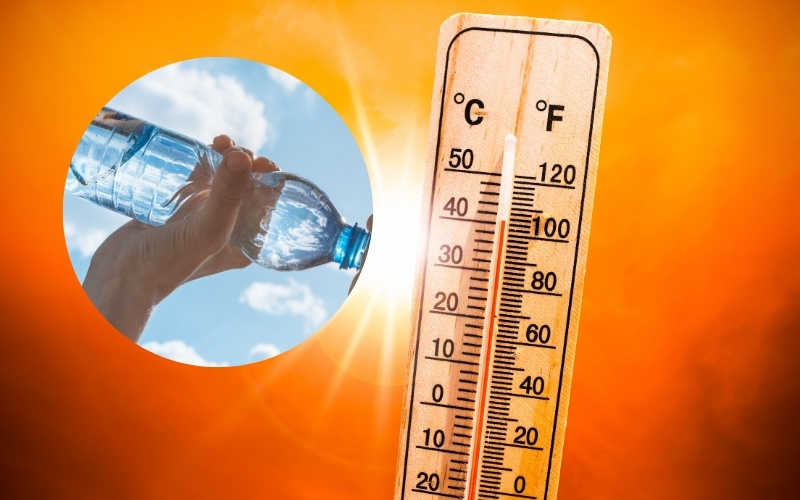
With high summer temperatures posing a risk to public health, multiple community organizations and municipal facilities in Muscatine are opening their doors as designated cooling centers. These air-conditioned locations offer local residents a safe environment to rest, hydrate, and escape dangerous heat conditions.
The following locations are available to the public for heat relief:
- The Salvation Army: Located at 1000 Oregon Street. Serving as an emergency reception center, this site provides air conditioning, seating, meals, and electronic device charging stations. Residents can call (563) 263-8272 to verify daily summer hours.
- Muscatine Community YMCA: Located at 1823 Logan Street. The facility welcomes the public during regular hours: Monday–Friday 5:00 AM – 9:00 PM, Saturday 5:00 AM – 5:00 PM, and Sunday 10:00 AM – 5:00 PM. For daily access rules, contact (563) 263-9996.
- Muscatine Center for Social Action (MCSA): Located at 312 Iowa Avenue. MCSA serves as a critical community hub for crisis support and emergency shelter during severe weather. For direct assistance, call (563) 263-7525.
Additionally, standard public buildings such as Muscatine City Hall (215 Sycamore Street) and the Musser Public Library and HNI Community Center are available as drop-in cooling hubs during their normal business hours.
“Extreme heat can be life-threatening, especially for vulnerable populations, seniors, and those without reliable air conditioning,” said City Administrator Matt Mardesen. “We urge community members to utilize these resources, check on their neighbors, and stay safe.”
Individuals experiencing signs of heat exhaustion or heat stroke — such as dizziness, heavy sweating, nausea, or confusion — should seek immediate medical attention.
For more information regarding local heat relief resources or emergency assistance, residents can contact the individual facilities listed above or reach out to Muscatine County General Assistance.
Protecting Yourself and Your Family from Extreme Heat
Extreme heat can be life-threatening. Know the warning signs and act quickly:
| Condition | Symptoms & Action |
| Heat Cramps | Muscle pain or spasms; move to a cool place and drink water or a sports drink |
| Heat Exhaustion | Heavy sweating, cold/pale/clammy skin, fast/weak pulse, nausea, dizziness, headache; move to a cool place, loosen clothing, apply cool wet cloths, sip water — call 9-1-1 if vomiting |
| Heat Stroke (EMERGENCY) | High body temperature (103°F+), hot/red/dry or damp skin, rapid/strong pulse, confusion, unconsciousness; call 9-1-1 immediately — this is a medical emergency |
Who Is Most at Risk
Certain groups face a significantly higher risk of heat-related illness. Take extra care to check on:
- Older adults (age 65 and older)
- Infants and young children
- People with chronic medical conditions (heart disease, diabetes, respiratory illness)
- Individuals taking certain medications that impair heat regulation
- Outdoor workers and athletes
- People experiencing homelessness
- Anyone without access to air conditioning
Stay Hydrated and Stay Safe
Follow these steps to reduce your risk during extreme heat:
- Drink water frequently — at least 8 ounces every 20 minutes — even if you don’t feel thirsty
- Avoid alcohol, caffeine, and sugary drinks, which can accelerate dehydration
- Wear lightweight, light-colored, loose-fitting clothing and a wide-brimmed hat
- Stay indoors in air-conditioned spaces during the hottest hours of the day (10:00 a.m. – 6:00 p.m.)
- Never leave children, elderly individuals, or pets unattended in vehicles — temperatures inside a parked car can reach lethal levels within minutes
- Check on neighbors, especially those who are elderly or live alone
When to Go to a Cooling Center
Residents should go to a cooling center immediately if they:
- Do not have air conditioning at home
- Have air conditioning that is not functioning properly
- Feel symptoms of heat exhaustion or heat cramps
- Are caring for young children or elderly relatives without adequate cooling
- Notice a neighbor or community member showing signs of heat distress
- Are told by a medical provider to avoid heat exposure