




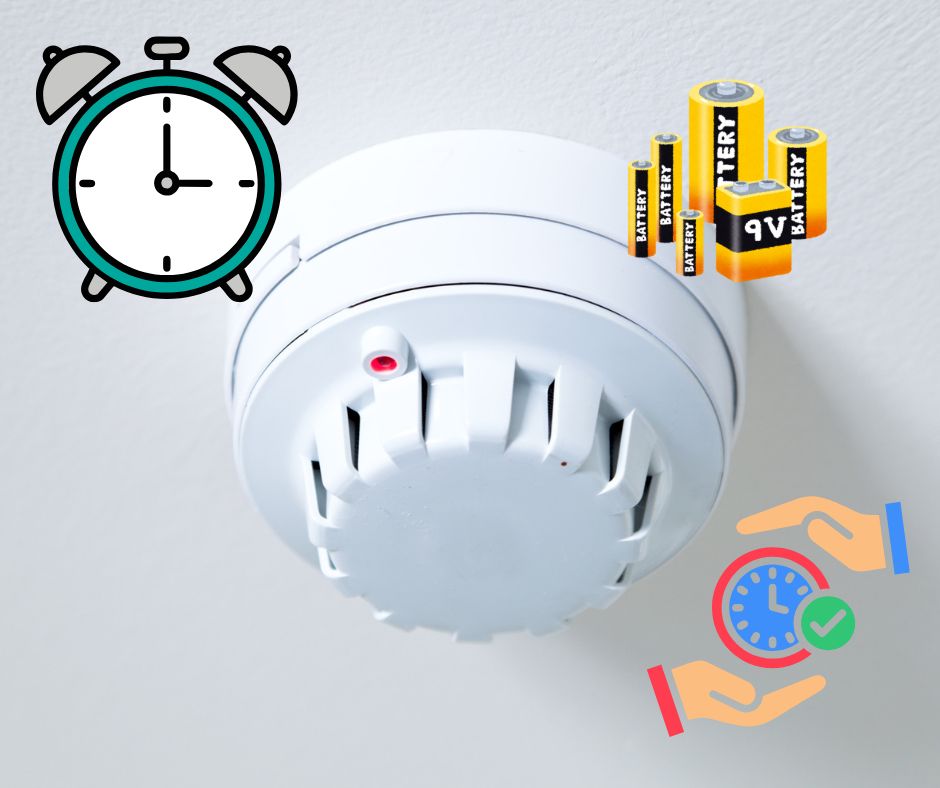
Area residents are reminded to set their clocks forward one hour as Daylight Saving Time begins at 2 a.m. Sunday, March 8, 2026.
At that time, clocks will move ahead to 3 a.m. Most smartphones, computers and other digital devices will update automatically. However, residents should manually adjust analog clocks, household appliances and vehicle time displays.
The time change brings later sunsets and more evening daylight, signaling the approach of spring.
“Daylight Saving Time is a great reminder for residents to check important safety items in their homes,” said Matt Mardesen, city administrator of Muscatine. “Taking a few minutes to test smoke alarms, replace batteries and review emergency plans can help keep families safe year-round.”
City officials encourage residents to use the time change as an opportunity to test smoke alarms and carbon monoxide detectors, replace batteries if needed, review emergency preparedness plans, and check furnace filters and other home safety equipment.
Daylight Saving Time remains in effect until 2 a.m. Sunday, Nov. 1, 2026, when clocks will be set back one hour.
Smoke and Carbon Monoxide Safety
As part of the seasonal reminder, officials are urging residents to replace batteries in smoke alarms and carbon monoxide, or CO, detectors and ensure devices are functioning properly.
According to the National Fire Protection Association, working smoke alarms reduce the risk of dying in a reported home fire by more than half.
“Working smoke and carbon monoxide alarms provide an early warning that can save lives,” said Mike Hartman, Muscatine fire chief. “When you change your clocks, take that extra step to check every alarm in your home. It only takes a few minutes but can make all the difference in an emergency.”
Officials recommend residents:
-
Replace batteries in smoke and CO alarms at least twice a year.
-
Test each alarm using the test button.
-
Install alarms on every level of the home and inside sleeping areas.
-
Replace smoke alarms every 10 years and CO alarms according to manufacturer guidelines.
-
Use the hush feature, if available, rather than removing batteries to silence nuisance alarms.
Carbon monoxide is a colorless, odorless gas produced by fuel-burning appliances, vehicles and generators. Without a working CO detector, occupants may have no warning of dangerous levels.
Fire officials also recommend reviewing home escape plans with all household members and identifying two exits from each room and a designated meeting place outside.
“Preparedness starts at home,” Hartman said. “A working alarm, a fresh battery and a practiced escape plan can save lives.”
For more information on fire safety and alarm placement, residents may visit the NFPA website or contact the Muscatine Fire Department at 563-263-9233.


