


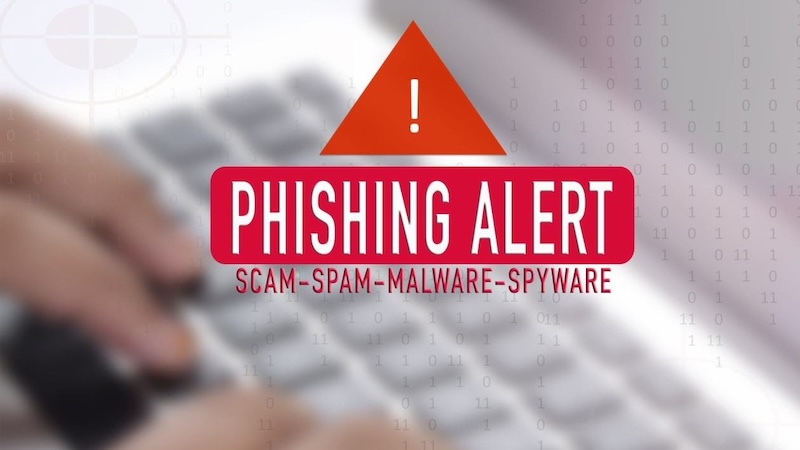
Local businesses and residents are being urged to stay alert following reports of a phishing scam impersonating the City of Muscatine Planning and Zoning Commission. Several businesses have recently received fraudulent emails requesting payment of an “invoice” in order to move an application forward—an action the city does not take by email.
City officials stress that these messages are not legitimate and did not originate from the City of Muscatine. The Planning & Zoning Commission does not email individuals or businesses regarding applications, nor does it request payment through email or text message.
The scam appears to be part of a broader trend in which criminals use email or text messaging to trick recipients into revealing personal, business, or financial information. This type of cybercrime—known as phishing—often relies on impersonating trusted institutions to create a sense of urgency or fear.
How the Scam Works
Victims have reported receiving messages that:
- Claim to be from the City of Muscatine Planning & Zoning Commission
- Request payment of an invoice to “move an application forward”
- Include official‑sounding language or formatting to appear credible
These messages are designed to pressure recipients into clicking links, opening attachments, or sending money before they have time to verify the request.
How to Identify a Phishing Attempt
Phishing emails can be sophisticated, but they often share common warning signs. The City encourages residents and businesses to watch for:
1. Unexpected Requests for Payment
The City of Muscatine does not request invoice payments by email or text. Any message asking for money—especially urgently—is a red flag.
2. Suspicious Sender Addresses
Scammers often use email addresses that look similar to official ones but contain extra characters, misspellings, or unfamiliar domains.
3. Poor Grammar or Unusual Wording
Many phishing messages contain awkward phrasing, typos, or formatting inconsistencies.
4. Links or Attachments You Didn’t Expect
Phishing emails frequently include links that lead to fake websites or attachments containing malware.
5. Pressure to Act Quickly
Scammers rely on urgency to prevent recipients from double‑checking the request.
What To Do If You Receive a Suspicious Message
- Do not click any links or open attachments.
- Do not send payment or personal information.
- Verify directly with the City by calling the appropriate department using a phone number from the official City of Muscatine website.
- Report the message to your IT department (if applicable) and to local law enforcement if you believe you were targeted.
City Statement
City officials emphasize that the Planning & Zoning Commission does not communicate about applications via email and will never request payment through electronic messaging. Any legitimate communication will come through established, official channels.